Softscape vs. Hardscape: What's the Difference?
By Paul V. Mascarinas · July 11, 2026
Softscape is every living, organic element of a landscape — plants, trees, turf, soil, and mulch. Hardscape is every built, non-living element — paving, walls, decking, water features, and structures. Nearly every landscaping project is some combination of the two, and the ratio between them — not either one in isolation — is what determines both the character of the space and its cost. This distinction matters most at the planning stage: it’s the first split you should make when scoping a project, because softscape and hardscape are priced, sourced, and maintained in completely different ways.
What exactly counts as softscape?
Softscape covers anything alive or organic:
- Trees and shrubs, from young stock to mature specimens
- Groundcover and turf
- Flowering and ornamental plants
- Soil, soil amendments, and mulch
Softscape is priced primarily by plant species, size/maturity, and quantity — not by area alone. A young shrub and a mature specimen tree of similar footprint can differ enormously in cost, because you’re paying for years of growing time, not just the plant itself. This is also why sourcing matters: plants grown specifically for your project on a nursery’s own stock behave differently — in survival rate and in cost predictability — than plants sourced last-minute from the open market. See our nursery-grown vs. market-sourced plants guide for why that distinction affects your outcome, not just your invoice.
Softscape is also the only part of a landscape that keeps changing after installation. It needs a defined maintenance period to establish — watering discipline, pruning, pest management — which is why every serious softscape scope should come with a maintenance plan attached, not bolted on afterward. See What Is a Landscape Maintenance SLA?.
 Softscape in practice — fern and palm planting along a walkway, Batangas
What exactly counts as hardscape?
Hardscape covers anything built and non-living:
- Paving, walkways, and driveways
- Retaining walls and planter boxes
- Decking and pergolas
- Water features
- Site furniture built into the landscape (benches, low walls)
Hardscape is priced primarily by material grade, area, and labor complexity. Unlike softscape, it doesn’t need watering or seasonal care — but it does need correct drainage and waterproofing design, especially for planter boxes, podium decks, and any structure holding soil above a slab. Get this wrong and the failure shows up months later as water damage, not immediately as a visible defect — see our planter box drainage and waterproofing guide for what that detailing actually requires.
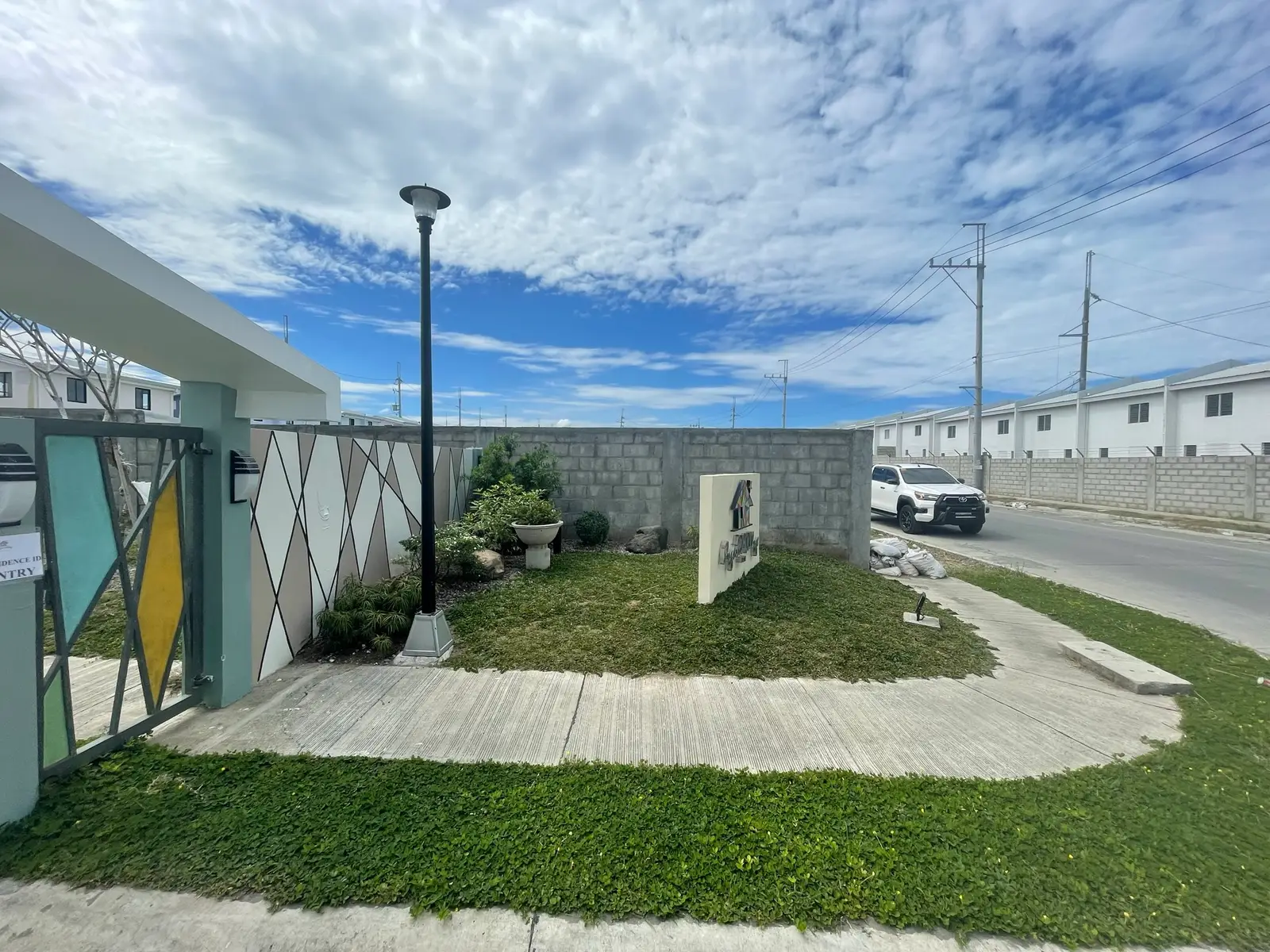 Hardscape at work — paved entrance and signage, Raemulan Lands community
How does the softscape/hardscape mix affect cost?
Hardscape is generally the larger per-square-meter cost driver, because you’re paying for material and structural labor rather than plant material. But total project cost depends far more on the ratio between the two than on either category alone:
- A softscape-heavy project (garden beds, turf, tree planting) costs less per square meter but takes longer to mature visually.
- A hardscape-heavy project (plaza, pool deck, extensive paving) costs more upfront but looks “finished” immediately.
- Most real projects sit somewhere in between, and the right balance depends on how the space will actually be used — a resort pool deck needs different softscape/hardscape logic than a residential front garden.
There’s no responsible way to state a blended ₱/sqm figure here without knowing your scope — run your actual mix through the budget calculator, or see the line-item breakdown in What Does Landscaping Cost in the Philippines?.
Should softscape and hardscape be designed together?
Yes — designing them separately is a common and costly mistake. Hardscape decisions (paving layout, wall placement, deck footprint) determine where planting beds, irrigation lines, and drainage can physically go. Softscape decisions (mature tree canopy, sightlines, shade patterns) determine how the hardscape elements will actually be used once built. A vertically integrated team with an in-house licensed landscape architect designs both together from day one, rather than handing softscape to a separate landscaper after the hardscape contractor has already poured concrete.
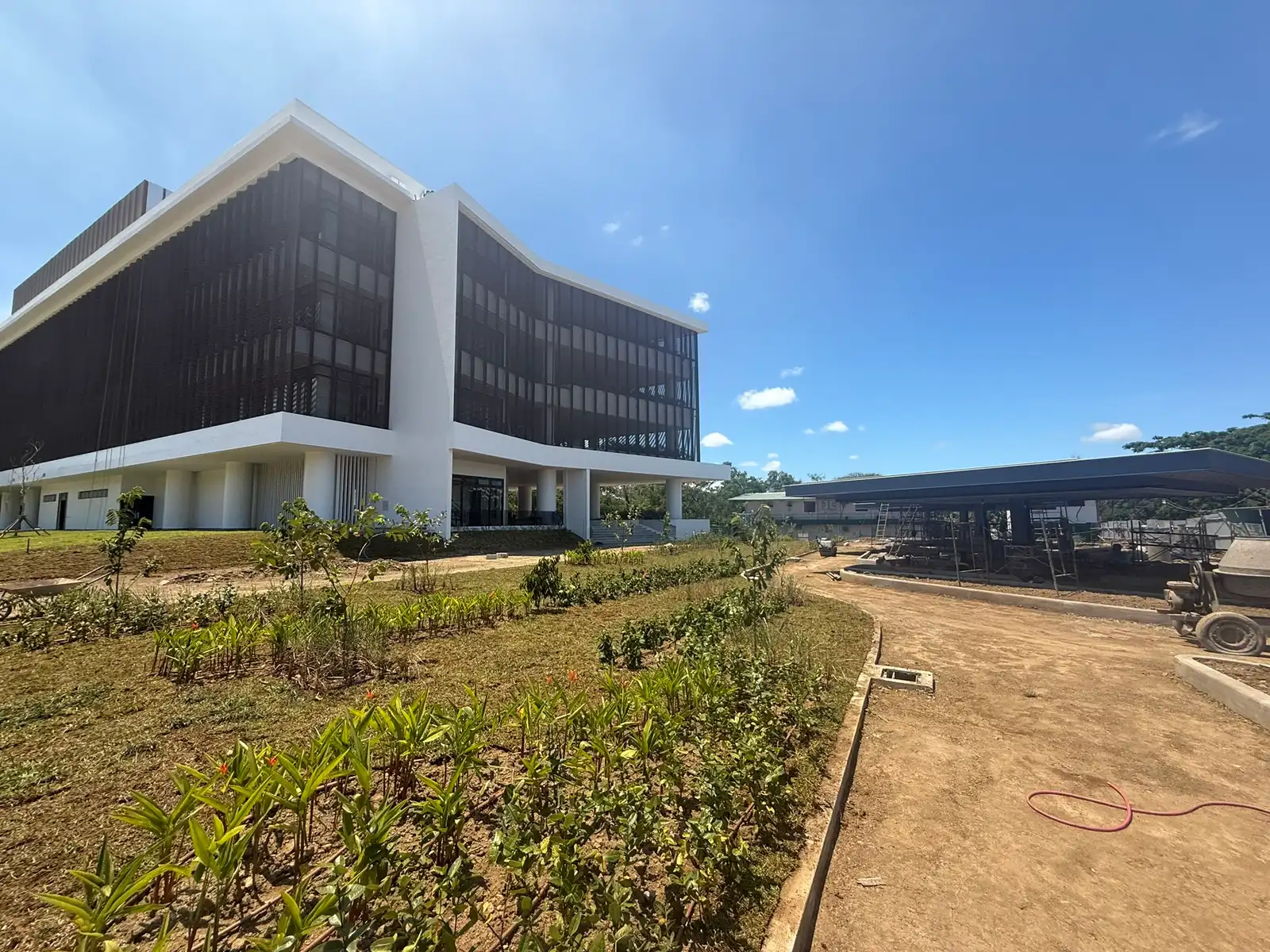 Softscape and hardscape designed as one scope — lawn, planting, and brick plaza, DLSU Laguna campus
Where softscape/hardscape planning fits in your project
Getting this ratio right early is one of the most consequential decisions in a landscaping project — it shapes your budget, your timeline, and how the finished space actually functions. It’s exactly the kind of question a proper site assessment resolves before you commit to a design. Read What Happens at a Landscape Consultation? to see how that assessment works, or go back to the full Landscaping in the Philippines: Cost & Planning Guide for the bigger picture.
Ready to scope your softscape/hardscape mix against a real site? Book a consultation — every engagement starts with a free ocular visit, or reach us at inquiry@meglandscaping.com / +63 928 551 0587.
Frequently asked questions
What is softscape in landscaping?
Softscape is every living or organic element of a landscape — trees, shrubs, groundcover, turf, soil, and mulch. It's the part of a landscape that grows, changes with the seasons, and needs ongoing care.
What is hardscape in landscaping?
Hardscape is every built, non-living element — paving, walkways, retaining walls, decking, pergolas, water features, and structures. It doesn't grow or need watering, but it does need proper drainage and waterproofing to last.
Is softscape or hardscape more expensive?
Hardscape is usually the larger cost driver per square meter, since it involves material and labor for permanent structures rather than plants. But total project cost depends on the ratio of the two, not either one alone — use the budget calculator against your actual scope.
Do I need both softscape and hardscape in my project?
No. A simple garden may be softscape-only. A courtyard, pool deck, or entrance plaza usually needs both. The right mix depends on how the space will be used, not a fixed rule.
Which should be designed first, softscape or hardscape?
They should be designed together, not sequentially. Hardscape defines where planting beds, drainage, and irrigation lines can go; softscape defines sightlines, shade, and how hardscape elements will actually be used and experienced.
Planning a project?
Get a realistic budget for your site, or request a visit from our team.